Maximising copper saving with Viper Innovations’ Lloyd’s Register validated solution
August 14, 2025
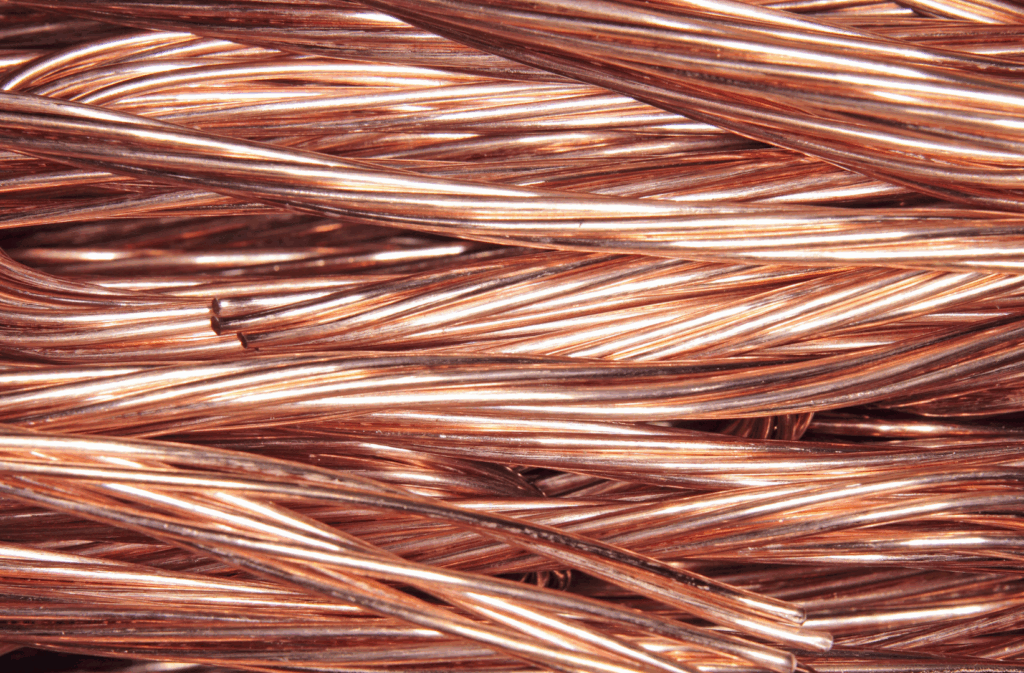
In subsea production systems, one of the most critical challenges has always been the degradation of insulation resistance (IR) in cables and connectors, which is typically caused by water ingress. This degradation can lead to copper corrosion, potentially compromising the entire electrical system. Traditionally, discussions around this issue have focused on copper loss due to IR failures, but what if we reframed this problem as copper saving?
In subsea electrical systems, conductors that provide critical power subsea oil and gas field are made from copper. Over time copper corrosion can lead to loss of continuity or a break in the conductor. This continuity loss, or break, means power loss. Viper Innovations’ technology is designed to minimise this copper conductor degradation, generally known as copper loss but in practice means copper saving. This shift in perspective is more than just a change in language—it’s a fundamental change in how we approach cable integrity, system reliability, and the longevity of subsea infrastructure.
Viper Innovations is at the forefront of this rethinking, and led by experts on our team such as Steve Simpson (Chief Consulting Engineer), James Carnegie (Subsea Sales and Delivery Director), and Aurelien Petit (V-LIM/V-LIFE Product Owner), we’re exploring how our solutions such as V-LIM and V-LIFE are helping reduce copper loss – to saving copper – in subsea environments.
These industry leaders have shared their insights, reinforcing the importance of copper saving through the innovative technologies that Viper has developed, particularly in the challenging subsea landscape. Viper undertook detailed experiments to see how these technologies could save copper compared to other products on the market, and the results were independently validated by Lloyd’s Register.

What is copper saving, and why does it matter?
nsulation degradation is inevitable over time, especially in harsh subsea environments where water, pressure, and temperature fluctuations accelerate wear. As the insulation on subsea cables degrades, the electrical current leakage increases, leading to copper loss through an electrochemical cell setup with the seawater—a natural consequence of monitoring insulation failure with traditional devices. In the past, this copper loss was seen as an unavoidable byproduct of monitoring IR, leading to a negative focus on the loss of copper.
However, Viper Innovations’ V-LIM has been engineered to significantly reduce the rate of copper loss by providing the ability to configure the measurement signal characteristics to the system conditions without adversely affecting measurements. In short, V-LIM helps operators save copper by reducing the electrical stress on the conductor, mitigating the damaging effects of electrochemical reactions between the copper and seawater. With V-LIFE, operators can further mitigate the impact of low insulation resistance by applying the technology to the system. V-LIFE increases insulation resistance by reducing leakage currents, which saves copper, even in cables that have already experienced some level of damage.
The magnitude of leakage current is directly proportional to copper loss. This relationship highlights the importance of limiting leakage currents to reduce copper consumption effectively. Viper’s V-LIM and V-LIFE technologies are designed to address this, demonstrating how even small reductions in leakage current can have a significant impact on reducing copper loss over time.

How V-LIM helps save copper
The key to copper saving lies in the way the V-LIM operates. Unlike conventional IMDs that measure copper loss using basic techniques, V-LIM actively reduces copper consumption by employing a low current measurement technique. This method imposes a smaller voltage between the anode (copper wires) and cathode (usually steel wire armour), resulting in a slower rate of copper loss.
The V-LIFE IR remediation process, which can be activated by a V-LIM, goes one step further. This technology helps generate an insulating precipitate that increases the resistance between the copper and the earth, reducing the ionic current and, by extension, copper loss. In simple terms, Viper’s products allow cables to function more efficiently by consuming less copper over time. When V-LIM is used, copper consumption is reduced, and with V-LIFE applied, it is reduced significantly—directly improving the lifespan and reliability of subsea systems.
V-LIM and V-LIFE operate in two distinct phases: a monitoring phase and a recovery phase. During the monitoring phase, V-LIM continuously monitors the system, reducing copper loss through proactive, low-voltage measurement. The recovery phase, where V-LIFE becomes crucial, focuses on remediating deteriorated systems by injecting a signal that helps restore insulation resistance and significantly slows down copper consumption. This two-phase approach ensures that both healthy and compromised systems benefit from copper-saving measures throughout their operational lifecycle.
Third-party validation by Lloyd's register's review
The importance of copper saving isn’t just a claim—it’s a scientifically validated solution. Viper Innovation’s Copper Loss Study technical paper has been validated by Lloyd’s Register (LR), a globally recognised leader in product and technology validation, to ensure our approach stands up to the highest industry standards.
Following an independent desk-top review of our V-LIM insulation monitoring device, Lloyd’s Register specialists agreed with our findings and validated the copper saving benefits of our products. In addition, the review also emphasised that while a small amount of copper loss is an inevitable aspect of all IMDs, Viper’s V-LIFE remediation process helps reduce copper consumption significantly. This is achieved through the generation of an insulating precipitate, which blocks any pores in the insulation, thereby removing the seawater electrolyte. This process minimises leakage current, increases insulation resistance, and conserves copper over the lifetime of the cable— a feature not found in other IMDs on the market.
Although the review did not involve witnessing tests, the validation supports Viper’s extensive laboratory findings, further confirming the superior performance of our technology. For further technical insights into how Viper Innovations is driving copper saving and mitigating copper corrosion in subsea applications, you can read our full Copper Loss Study here.

The positive impact of our copper saving technology
In practical terms, copper saving translates into several operational benefits:
- Extended cable lifespan: By reducing copper consumption, the operational life of subsea cables is prolonged, meaning less frequent replacements and lower maintenance costs.
- Reduced environmental impact: Less copper degradation results in a decrease in the environmental impact associated with cable replacements and the disposal of old, degraded cables.
- Increased system reliability: With V-LIM’s proactive monitoring and V-LIFE’s remediation process, you can detect issues and address them before they lead to failure, potentially reducing production interruptions and losses.
- Cost savings: Fewer repairs, replacements, and maintenance activities lead to significant cost savings. By saving copper, you are saving money—both in terms of raw materials and operational downtime.

How V-LIM and V-LIFE contribute to copper saving
Viper’s V-LIM goes beyond basic insulation monitoring through its unique measurement techniques and by incorporating the V-LIFE technology, which actively remediates insulation issues in real-time. V-LIFE utilises an electrochemical process that triggers an electrokinetic effect on the insulation, reducing leakage currents and effectively reducing copper loss. This technology has been proven to increase insulation resistance by creating a protective barrier in the insulation that blocks the flow of seawater, ensuring that the copper conductors are less susceptible to corrosion.
The copper loss rate reduction achievable using V-LIFE is directly proportional to the improvement in insulation resistance. V-LIFE can increase IR by several orders of magnitude from the starting point, resulting in significant reductions in copper loss. For example, an increase from 30kΩ to 30MΩ represents a 15x reduction in copper loss compared to other IMD solutions, and in some cases, IR improvements have reached hundreds of megaohms or even gigohms, delivering copper loss reductions of up to 100x. This dramatic reduction in copper corrosion not only extends the life of subsea infrastructure but also saves significant amounts of copper, offering both environmental and operational benefits.
Extending the life of subsea electrical infrastructure
The long-term benefits of copper savings cannot be overstated. As subsea cables continue to operate in some of the most aggressive environments, such as deepwater and high-pressure conditions, the ability to save copper can lead to substantial cost savings, fewer maintenance interventions, and an overall reduction in operational risk. By reducing copper loss, Viper Innovations is helping operators optimise their subsea infrastructure, enabling them to focus on productivity and efficiency rather than costly replacements.
By redefining the challenge from copper loss to copper saving, Viper Innovations is transforming subsea asset management. With V-LIM and V-LIFE, we are not only offering solutions to protect subsea cables from degradation but also actively saving copper, extending the life of subsea infrastructure, and improving system reliability. This shift in focus is essential for the future of subsea operations, where the sustainability and longevity of electrical systems are as critical as the energy they deliver. This forward-thinking approach has earned validation from Lloyd’s Register, confirming the scientific principles and copper-saving benefits of our solutions. With this endorsement, we’re leading the way toward a more sustainable future for subsea operations.
